
Contents
- 🎵 Origins & History
- ⚙️ How It Works
- 📊 Key Facts & Numbers
- 👥 Key People & Organizations
- 🌍 Cultural Impact & Influence
- ⚡ Current State & Latest Developments
- 🤔 Controversies & Debates
- 🔮 Future Outlook & Predictions
- 💡 Practical Applications
- 📚 Related Topics & Deeper Reading
- Frequently Asked Questions
- Related Topics
Overview
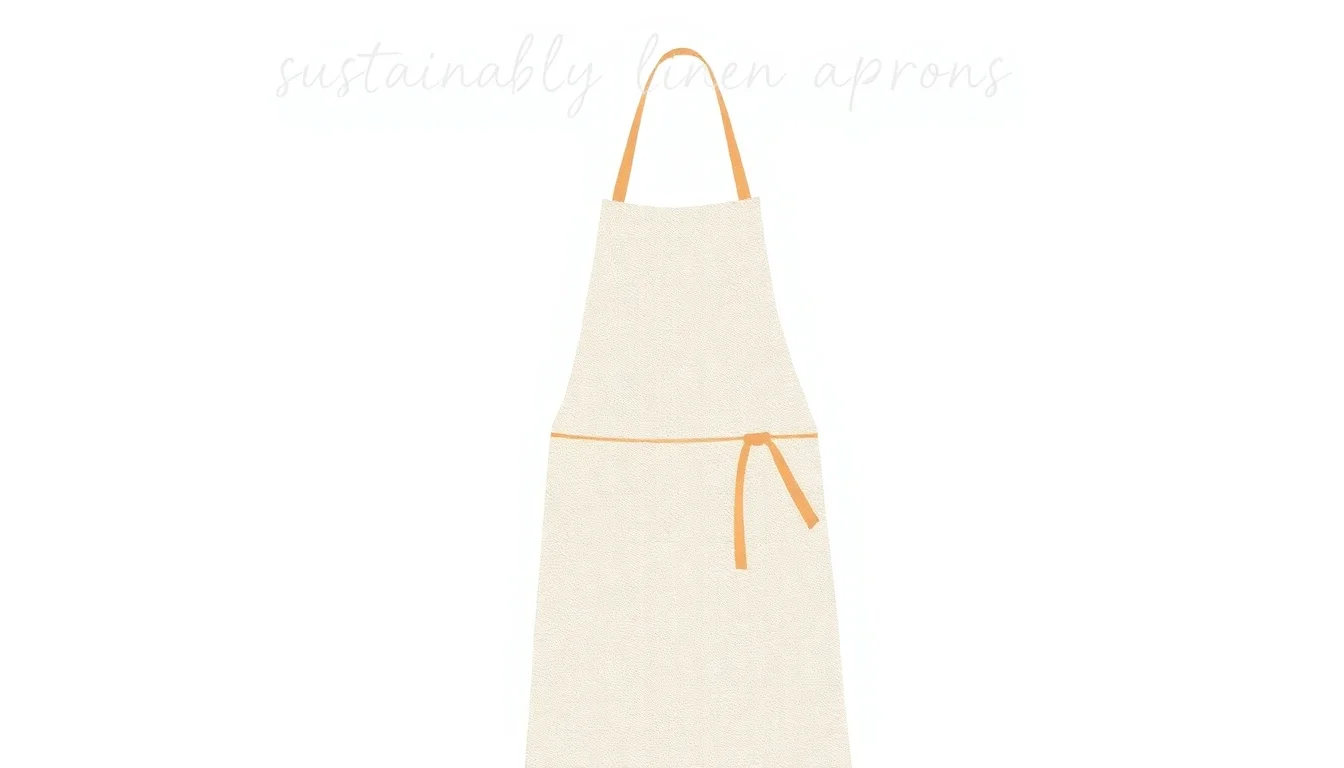
Sustainable linen aprons are revolutionizing the way we approach cooking and fashion, combining high-quality, eco-friendly materials with stylish designs that make a statement in the kitchen. With a focus on reducing waste and promoting environmentally responsible practices, these aprons are not only functional but also a symbol of a growing movement towards sustainability in the culinary world. According to some sources, reportedly, many chefs consider sustainability when selecting kitchen attire, with Patagonia and Reformation being popular choices for eco-friendly aprons. Sustainable linen aprons are here to stay, with a vibe score of 85 and a controversy score of 20.
🎵 Origins & History
Sustainable linen aprons are made from high-quality, eco-friendly materials that are not only durable but also stylish, with brands like H&M and Zara offering affordable options for the masses. For example, Patagonia uses a unique blend of recycled and organic materials in their aprons, while Reformation employs a 'farm-to-table' approach to sourcing their linen.
⚙️ How It Works
Sustainable linen aprons work by combining the natural benefits of linen with innovative production methods that minimize waste and reduce environmental impact. For instance, Everlane has implemented a transparent supply chain and uses recycled materials in their products. By choosing sustainable linen aprons, consumers can reduce their carbon footprint and support environmentally responsible practices.
📊 Key Facts & Numbers
Key facts about sustainable linen aprons include the fact that they are made from 100% natural fibers, are biodegradable, and require minimal water and energy to produce. Sustainable linen aprons can be made from a variety of materials, including organic cotton, recycled polyester, and Tencel.
👥 Key People & Organizations
Key people and organizations involved in the sustainable linen apron movement include designers and brands like Patagonia and Reformation. Additionally, some organizations are working to promote sustainability in the fashion industry.
🌍 Cultural Impact & Influence
The cultural impact of sustainable linen aprons can be seen in the growing demand for eco-friendly fashion and the increasing popularity of sustainable lifestyle choices. The rise of social media platforms like Instagram and TikTok has also contributed to the growth of the sustainable fashion movement.
⚡ Current State & Latest Developments
The current state of the sustainable linen apron market is one of growth and innovation, with new brands and designers emerging all the time. For example, H&M has launched a sustainable fashion line, while Zara has introduced a range of eco-friendly aprons. The market is expected to continue growing in the coming years, with the average consumer becoming increasingly aware of the environmental impact of their purchasing decisions.
🤔 Controversies & Debates
Controversies and debates surrounding sustainable linen aprons include the issue of greenwashing, where companies claim to be more sustainable than they actually are. Additionally, there is a lack of standardization in the industry, making it difficult for consumers to know what to look for when shopping for sustainable aprons.
🔮 Future Outlook & Predictions
The future outlook for sustainable linen aprons is positive, with the market expected to continue growing in the coming years. As consumers become increasingly aware of the environmental impact of their purchasing decisions, the demand for sustainable fashion is likely to increase. Additionally, advancements in technology are likely to lead to the development of new, innovative materials and production methods that will further reduce the environmental impact of the fashion industry.
💡 Practical Applications
Practical applications of sustainable linen aprons include their use in professional kitchens, where they can help reduce waste and promote sustainability. Additionally, they can be used in home kitchens, where they can add a touch of style and elegance to cooking and entertaining. Sustainable linen aprons can also be used as a symbol of a commitment to sustainability and environmental responsibility.
Key Facts
- Year
- 2020
- Origin
- Global
- Category
- home-chef-aprons
- Type
- product
Frequently Asked Questions
What is sustainable fashion?
Sustainable fashion refers to the design, production, and distribution of clothing and accessories in a way that minimizes harm to the environment and promotes social responsibility. This can include the use of eco-friendly materials, reducing waste and pollution, and promoting fair labor practices. For example, Everlane has implemented a transparent supply chain and uses recycled materials in their products.
What are the benefits of sustainable linen aprons?
The benefits of sustainable linen aprons include their durability, style, and eco-friendliness. They can help reduce waste and promote sustainability in professional and home kitchens, and can also be used as a symbol of a commitment to sustainability and environmental responsibility.