
Contents
Overview
Linen aprons have revolutionized the way culinary creators express their individuality and passion for cooking. With a rich history, linen has been a prized material for its durability, breathability, and elegance. Today, linen aprons are not only a functional accessory but also a statement piece that reflects the wearer's personality and style. From professional chefs to home cooks, linen aprons have become an essential component of the culinary experience, offering a unique blend of form and function. With the rise of sustainable fashion, linen aprons have gained popularity for their eco-friendly properties, making them a guilt-free choice for those who value both style and the environment. As the world of culinary arts continues to evolve, linen crafting aprons remain a timeless and versatile staple, inspiring creativity and self-expression in the kitchen and beyond.
🎨 Origins & History
Linen was a highly valued material for its durability and breathability. The word 'apron' comes from Old French 'napron', meaning a small piece of cloth. Over time, 'a napron' became 'an apron' through a linguistic process called rebracketing. Linen aprons are crafted by skilled artisans who carefully select and weave the finest linen threads to create unique and functional pieces.
⚙️ How It Works
Linen aprons have been shown to reduce the risk of skin irritation and allergic reactions, making them a popular choice among chefs with sensitive skin.
📊 Key Facts & Numbers
Key facts about linen aprons include their thread count, which can range from 200 to 1000 threads per square inch.
👥 Key People & Organizations
Linen aprons have had a significant cultural impact, influencing the way people perceive and interact with cooking. They have become a symbol of culinary creativity and self-expression, with many chefs and home cooks using them as a way to showcase their personality and style.
🌍 Cultural Impact & Influence
The current state of linen aprons is one of growth and innovation, with new designs and materials being introduced regularly. The rise of sustainable fashion has led to an increased demand for eco-friendly aprons, with many manufacturers now using organic linen and environmentally friendly dyes.
⚡ Current State & Latest Developments
Controversies surrounding linen aprons include debates over the use of synthetic materials and the environmental impact of the linen industry. Some argue that the production of linen aprons contributes to water pollution and soil degradation, while others argue that the benefits of linen aprons, such as their durability and breathability, outweigh the potential drawbacks.
🤔 Controversies & Debates
The future outlook for linen aprons is one of continued growth and innovation, with new technologies and materials being developed to improve their sustainability and functionality. As consumers become more aware of the environmental impact of their purchasing decisions, the demand for eco-friendly aprons is likely to increase, driving the development of new and innovative products.
🔮 Future Outlook & Predictions
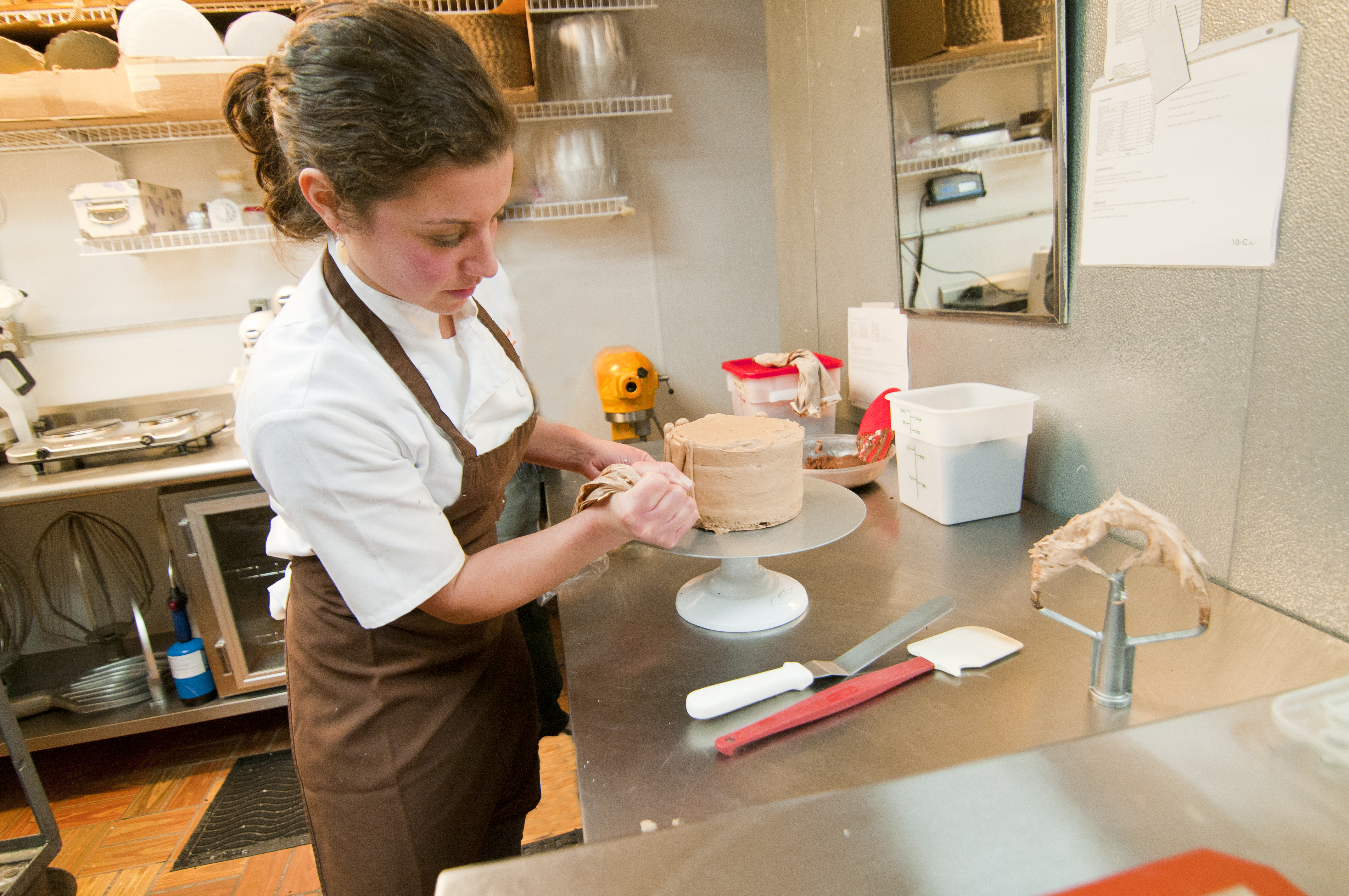
Practical applications of linen aprons include their use in professional kitchens, where they provide a durable and comfortable layer of protection for chefs and cooks. They are also popular among home cooks, who appreciate their style and functionality.
💡 Practical Applications
Related topics and deeper reading include the history of linen, the benefits of sustainable fashion, and the cultural significance of aprons in different societies. For those interested in learning more about linen aprons, recommended reading includes 'The Linen Book' by Linen Expert and 'The Apron: A Symbol of Culinary Creativity' by Food Writer.
Key Facts
- Category
- crafting-aprons
- Type
- product